
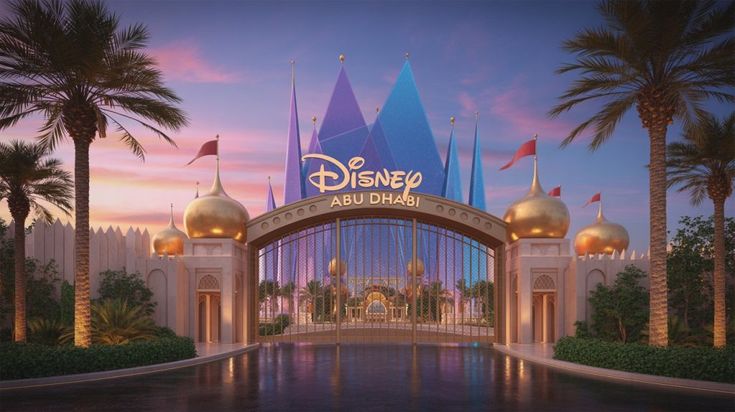
Disney choosing Abu Dhabi for its first Middle East theme park is a strategic game changer. This project will transform Yas Island into a global family travel magnet, drive sustained tourism growth, spark real estate demand, strengthen hospitality and holiday home markets, and accelerate broader economic diversification in Abu Dhabi and across the UAE.
This is not just another theme park. It is a long-term economic engine with measurable impact now, through construction, and well into the 2030s and beyond.
A Global Brand Redefining Abu Dhabi’s Tourism Identity
Disney is one of the most powerful tourism brands worldwide. Its decision to locate in Abu Dhabi signals a shift in regional destination positioning. Yas Island already attracts millions of visitors yearly with existing attractions, entertainment venues, and events. Adding Disney elevates Abu Dhabi’s tourism appeal from a cultural and business destination to a must-visit global family travel hub.
This shift expands the tourism demographic, particularly families from Europe, Asia, and other GCC countries who plan multi-night stays and combine theme parks with cultural, beach, and luxury experiences.
Tourism Growth Beyond Numbers
Disney’s brand strength naturally increases visitor numbers and extends average length of stay. Instead of a one-day visit, families will plan multi-day itineraries spanning 3 to 5 nights or longer. This impacts key tourism metrics:
- Hotel occupancy rises across Yas Island, Saadiyat, and central Abu Dhabi.
- Average daily rates (ADR) increase due to higher weekend and school holiday demand.
- Spending per visitor grows, as theme parks, retail, dining, and transportation combine into longer, more profitable stays.
- Off-peak demand improves, as visitors shift travel patterns to avoid crowds but still want the Disney experience.
This is not a short-term seasonal boost. It represents structural tourism growth, especially in family and leisure travel segments.
Real Estate: Rental Demand Leads, Prices Follow
The real estate impact unfolds in phases. The first visible phase is rental demand, driven by construction workers, international teams, and hospitality staff connected to the Disney project.
Investors respond early. As construction milestones become visible, confidence grows, and buyers position themselves near high-demand zones such as Yas Island, Saadiyat, and adjacent residential communities.
Real estate fundamentals shift because:
- Holiday homes and rental units near Yas Island become more desirable.
- Buy-to-let investors see stronger rental yield prospects.
- Capital values adjust upward as long-term tourism demand is priced in.
This pattern aligns with global experience from major destination branding projects, where residential markets near anchor attractions gain faster momentum than the city average.
Holiday Homes Market Expansion
Disney’s presence boosts the holiday homes market. International families and repeat visitors seek multi-bedroom stays and short-term residences with flexible check-in and amenities that hotels cannot always match.
Importantly, Abu Dhabi’s regulated holiday home framework helps professional operators thrive rather than unregulated inventory. Licensed holiday homes near the Disney site and key tourism nodes will capture higher occupancy rates and command premium pricing, especially around holidays and peak seasons.
Economic Impact Beyond Tourism
The Disney project’s economic footprint extends beyond theme park gates. It boosts employment in construction, hospitality, transportation, retail, and services. It also strengthens supply chains tied to operations, maintenance, events, and logistics.
This project aligns with Abu Dhabi’s economic diversification strategy, reducing reliance on hydrocarbons and building sustainable tourism income through high-value experiences that attract international visitors and longer stays.
Historically, Disney-branded destinations also elevate a city’s global profile, attracting business travel, international events, and partnerships across entertainment, retail, and lifestyle sectors.
UAE-Level Spillover: Shared Growth
Disney’s Dubai rival narrative sometimes overlooks this point: international tourists increasingly view the UAE as a multi-stop destination, not isolated cities.
Abu Dhabi benefits directly, but Dubai, Sharjah, and even northern emirates gain through linked itineraries, extended stays, and combined experiences. Dubai captures retail, beaches, and luxury lifestyle spenders; Abu Dhabi anchors family travel; and other emirates add cultural and natural experiences.
This integrated travel ecosystem lifts the whole country’s tourism economy.
The Larger Picture: Strategic, Long-Term Growth
Disney’s arrival in Abu Dhabi is a milestone, not a moment. It drives:
- sustained tourism growth,
- stronger hotel and rental markets,
- real estate value appreciation,
- diversified employment,
- global destination branding for the UAE.
For property investors, operators, and strategic planners, the most impactful gains often come from early positioning before the park opens, not after.
Sources:
- https://www.ft.com/content/disney-abu-dhabi-theme-park-uae-economic-impact
- https://gulfnews.com/business/tourism/abu-dhabi-tourism-growth-disney
- https://www.arabianbusiness.com/property/abu-dhabi-property-prices-disney
- https://www.khaleejtimes.com/business/hotel-rates-rise-uae-theme-park-impact
- https://gulfnews.com/lifestyle/travel/disney-abu-dhabi-effect-on-dubai-travel